Zeroscape
Lawns That Meet Water Restrictions
Automatically
Zeroscape in Denver for properties under mandatory drought limitations
Denver water restrictions turn traditional grass lawns into a compliance problem, and Averich Landscaping converts high-water landscapes into zeroscape designs that meet municipal codes without constant monitoring. The shift eliminates the need to track watering schedules against changing restriction tiers while reducing annual water use by seventy percent or more in most residential yards. Properties with south-facing slopes or clay soil see the most immediate reduction in summer irrigation costs.
Zeroscape replaces thirsty turf with a combination of hardscaping, rock groundcover, and native Colorado plants that survive on ambient rainfall after the first growing season. The design process evaluates sun exposure, drainage patterns, and existing soil conditions to determine the right balance between river rock for erosion control, pea gravel for pathways, bark mulch around planting beds, and drought-tolerant species like Blue Grama grass, Salvia, and Coneflowers that require no supplemental water once established.
Request a site evaluation to identify which groundcover materials best match your slope and drainage conditions..
What Each Material Contributes to Water Conservation
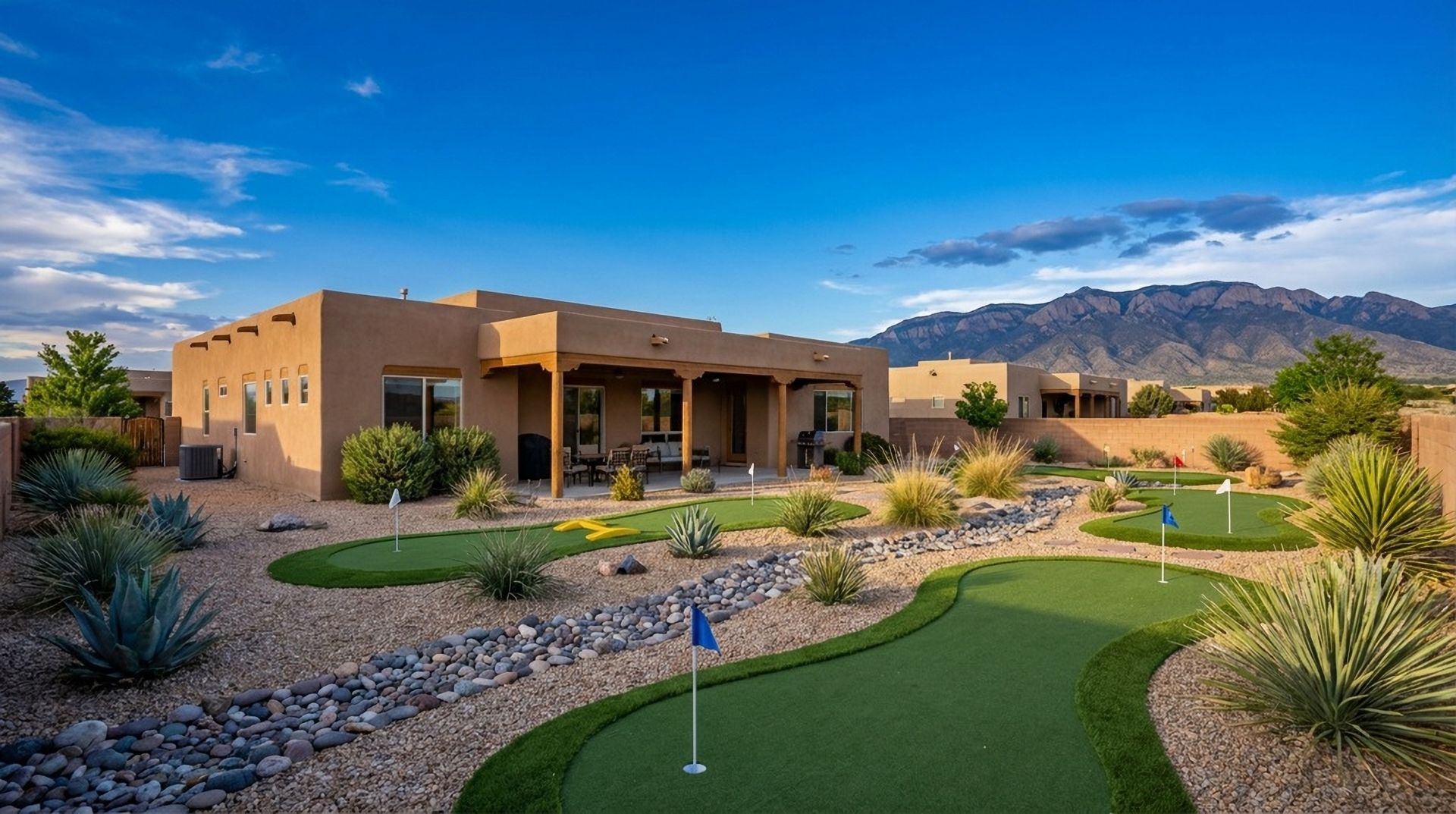
River rock and pea gravel both eliminate evaporation loss, but they serve different functional purposes in zeroscape design. River rock in two- to four-inch diameters stays in place on slopes and around downspouts, preventing soil erosion during summer storms while allowing rainfall to percolate directly into the ground. Pea gravel compacts slightly underfoot, making it the better choice for pathways and high-traffic zones where you need stable footing without pavement.
Bark mulch insulates soil around native plantings, moderating root-zone temperatures during Denver's forty-degree summer-to-night swings and breaking down slowly to add organic matter to clay soils. Native plants like Coneflowers and Salvia develop root systems extending three feet deep by the second season, pulling moisture from lower soil layers that grass roots never reach. Once you remove the turf, you stop applying the four to six inches of weekly irrigation that Kentucky bluegrass demands during peak summer heat.
Expanded hardscaping with flagstone patios or decomposed granite pathways replaces the largest water-consuming zones while adding functional outdoor space. These surfaces require no irrigation, no mowing, and no fertilizer applications, and they generate zero runoff because water infiltrates through joint spacing or aggregate base layers directly into the soil below.
Questions About Zeroscape Conversions
Homeowners in Denver often ask how zeroscape installations perform through winter freeze-thaw cycles and summer hailstorms, and whether the materials require ongoing replacement.
What happens to rock groundcover during freeze-thaw cycles?
River rock and pea gravel remain stable through winter because they drain completely and do not absorb water that could expand when frozen, unlike organic mulches that decompose and require annual replacement.
How long does it take for native plants to survive without supplemental watering?
Most Colorado native species require twice-weekly watering during the first growing season, then transition to rainfall-only irrigation by the second summer once roots extend below the eighteen-inch evaporation zone.
Why choose bark mulch instead of rock around planting beds?
Bark mulch moderates soil temperature swings and breaks down to improve clay soil structure over three to five years, while rock reflects heat and does not add organic matter, making it better suited for non-planted zones.
What is the difference between Blue Grama grass and traditional turf?
Blue Grama is a native shortgrass that grows six to eight inches tall, requires mowing only once per season, and survives Denver summers on twelve inches of annual rainfall without supplemental irrigation.
How does zeroscape affect property drainage compared to grass lawns?
Properly graded zeroscape installations drain faster than compacted turf because rock and mulch layers allow immediate water infiltration, reducing puddling and runoff during heavy summer thunderstorms common in Denver.
Averich Landscaping designs zeroscape conversions around Denver's specific water restriction ordinances and soil conditions, ensuring your landscape stays compliant while cutting irrigation costs. Schedule a property assessment to determine the most effective combination of rock, mulch, and native plantings for your sun exposure and slope.
