
Fall Cleanup
Yards Prepared Before Freeze Damage
Starts
Fall Cleanup in Denver for properties facing early-season snowfall over wet leaves
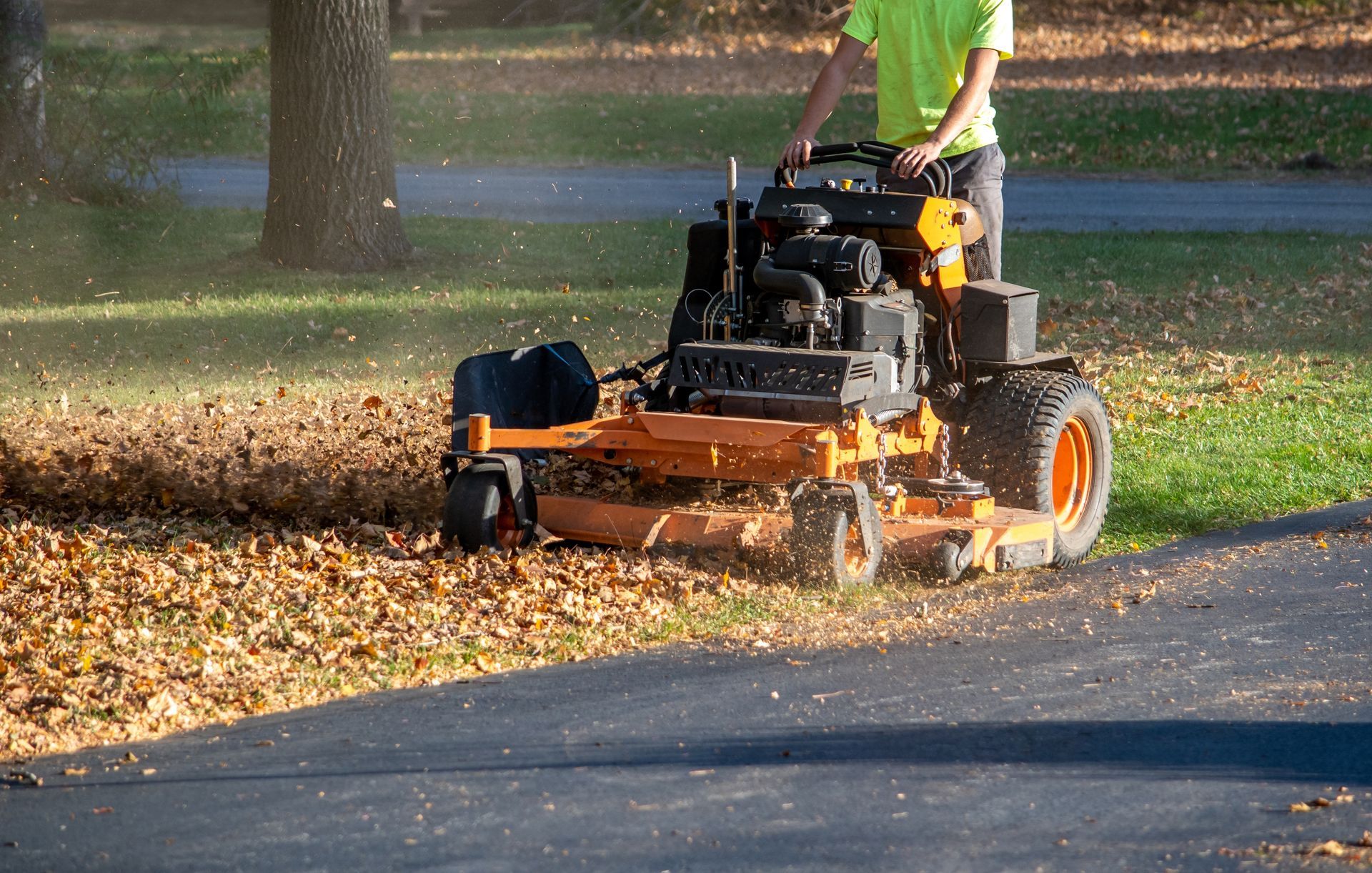
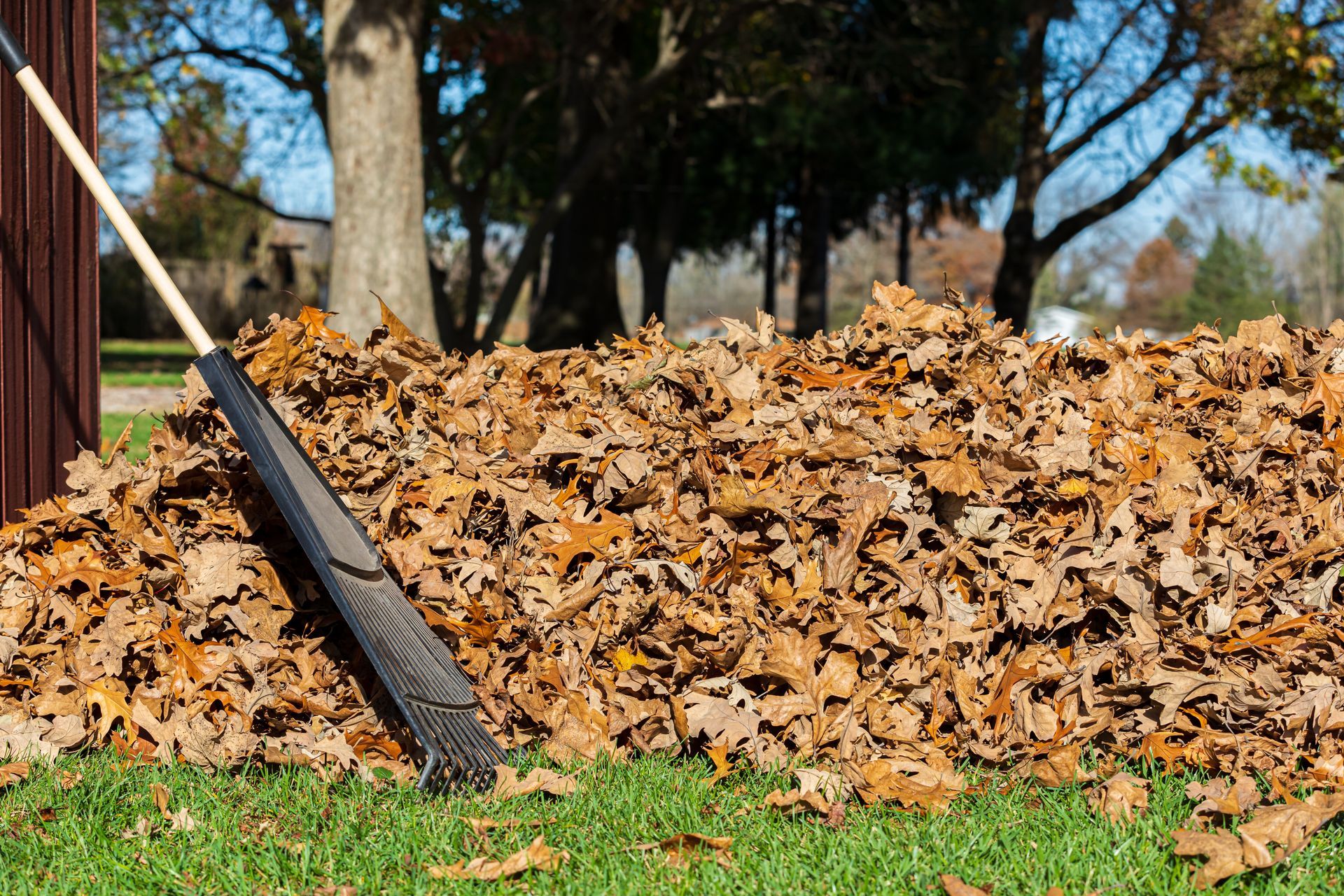
Wet leaves trapped under the first October snowfall create an airtight mat that suffocates turf and incubates snow mold, and fall cleanup removes that debris layer before freezing temperatures lock it in place for five months. You notice the difference in April when grass greens up evenly instead of showing gray fungal patches and dead zones where matted leaves smothered growth. Denver's unpredictable first freeze, which can arrive anywhere between mid-October and early November, makes timing critical for preventing winter turf disease.
The service includes complete leaf and debris removal from lawns, rock beds, and hardscaping, followed by cutting back dead perennial foliage to four-inch stubs that won't harbor fungal spores or insect eggs through winter. Seasonal bed mulching adds a three-inch insulation layer over root zones, stabilizing soil temperature and preventing frost heaving that can expose and damage perennial crowns during freeze-thaw cycles common in Denver's variable winter climate.
Schedule a fall cleanup assessment to evaluate leaf accumulation and determine optimal timing before the first hard freeze..
Why Leaf Removal Timing Prevents Spring Disease
Snow mold fungi remain dormant in soil and leaf litter until wet organic matter and snow cover create the low-oxygen, high-moisture environment they need to colonize turf crowns. When leaves stay on the lawn through the first snow, they trap moisture against grass blades and block air circulation, allowing Typhula blight and Microdochium patch to spread across entire sections of lawn under the snow layer. Removing leaves before snowfall eliminates the organic mat that holds moisture and provides the fungal food source.
Cutting back perennials after they go fully dormant removes hollow stems and seed heads where insect larvae overwinter and fungal spores concentrate. Averich Landscaping leaves four-inch stubs instead of cutting to ground level, which prevents soil compaction from foot traffic and equipment while still removing the bulk of disease-harboring plant material. Your beds look clean through winter, and perennials emerge in spring without the disease pressure that builds up when dead foliage decomposes in place.
Mulching after cleanup insulates root zones from temperature swings that cause frost heaving, where freeze-thaw cycles lift plants out of the ground and expose roots to desiccating winter wind. Three inches of shredded bark mulch maintains a more consistent soil temperature and reduces the heaving that damages shallow-rooted perennials and newly installed plantings during Denver's variable winter weather..
Common Questions About Pre-Winter Yard Care
Property owners in Denver frequently ask about the right timing for fall cleanup and what happens if leaves remain on lawns through the first snow.
What is snow mold and how does fall cleanup prevent it?
Snow mold is a fungal disease that grows under snow cover on wet, matted grass, causing circular gray or pink patches visible in spring; removing leaves before the first snow eliminates the organic layer that traps moisture and feeds the fungus.
How soon after leaves fall should cleanup happen?
Cleanup should occur after trees are ninety percent bare but before the first forecasted hard freeze, typically a two-week window in mid-to-late October in Denver, ensuring leaves are removed before snow locks them in place.
Why cut back perennials instead of leaving them for winter interest?
Dead perennial foliage harbors fungal spores, insect eggs, and disease pathogens that overwinter in hollow stems and seed heads, creating higher disease pressure when plants emerge in spring if old growth is left standing.
What type of mulch works best for root insulation?
Shredded bark mulch insulates more effectively than wood chips or rock because it knits together into a cohesive layer that resists wind displacement and moderates soil temperature without compacting.
How does frost heaving damage plants and how does mulch prevent it?
Frost heaving occurs when soil freezes and thaws repeatedly, lifting plants out of the ground and exposing roots to cold and desiccation; mulch insulation reduces the frequency and severity of freeze-thaw cycles in the root zone.
Averich Landscaping completes fall cleanup services throughout Denver before the first freeze to prevent snow mold and winter turf damage. Arrange a pre-winter property visit to clear debris and prepare beds for the dormant season.
